Member
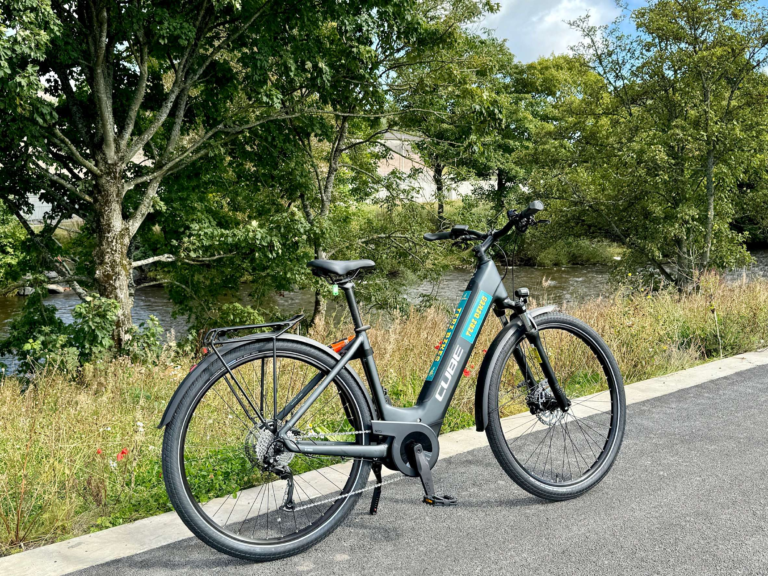
Teri Bikes offering free E-bike hire
Local | Services | Uncategorized


Members of the Third Sector Leaders Network were joined recently by Jen Knox from Live Borders, who presented plans for a new Prevention and Early Intervention programme designed to improve health outcomes, tackle inequalities and reduce pressure on health and social care services across the Scottish Borders.
The session provided a valuable opportunity for third sector organisations to hear about the proposed programme, understand how elements of it align with the growing social prescribing agenda, and discuss how community organisations may contribute as the programme develops.
The proposal is a three-year phased programme led by Live Borders, rather than a Borders-wide social prescribing programme. While social prescribing forms part of the ambition, the initiative has a broader focus on prevention and physical activity interventions. The programme aims to double the capacity of the existing LiveWell referral service, introduce new preventative and wellbeing activities, strengthen partnerships with key agencies and implement a digital referral system.
A significant element of the proposal centres on expanding the current Tier 2 LiveWell Referral programme. Currently supporting around 600-700 referrals annually, the service would grow to 900 referrals in year one and 1,200 referrals by year three. Additional activity sessions would be developed across the region, alongside closer referral pathways with health and social care services.
The plans also include the creation of a new Tier 3 programme, LiveWell Connect, combining cultural and physical activities through a rolling 12-week programme in local communities. Activities would include links with libraries, museums and community wellbeing initiatives, with a focus on social connection, confidence building, and improving physical and mental wellbeing. The programme would also support people to access community-based activities closer to home.
Importantly, Jen Knox confirmed that engagement with the wider third sector is expected to increase as the programme matures. The initial phase focuses on building internal capacity, developing referral pathways, strengthening relationships with health and social care professionals, and expanding the range of activities available. Once the programme is embedded and gaps in provision are identified, Live Borders hopes to work alongside other high-quality third sector organisations and sees potential for the model to contribute to a broader regional approach in the future.
The programme also proposes closer collaboration with services including falls and frailty teams, musculoskeletal and orthopaedic services, walk-in clinics, occupational therapy, local area coordinators, Improving the Cancer Journey and What Matters Hubs.
Looking ahead, attendees noted that the next key milestones for the sector will be the publication of the Scottish Government’s National Social Prescribing Framework and the proposed universal definition of social prescribing, both expected in Spring 2027.